-
ADA-Compliance: What Does It Mean for Your Business?

From grocery shopping to scheduling your next doctor’s appointment, many people are able to accomplish just about anything by utilizing digital means. However, our accessibility to these services is not equal across all realms or for all people, namely, those with disabilities. As a result, the Americans with Disabilities Act has become increasingly aware of and concerned with how websites and other virtual spaces should perform in compliance with the ADA regulations. This has never been more important to your website or business since website ADA-compliance lawsuits have been on the rise in the past few years with statistics showing over 800 cases in 2017 and an 181% increase to 2,285 cases in 2018.
-
Legal Must-Haves for Your Business Website: Privacy Policies, Terms of Service, and More

A business website must comply with various legal requirements to protect both the business and its users. Failing to address these legal considerations can lead to serious consequences, including fines, lawsuits, and damage to your brand 's reputation.
-
Navigating the Path to Digital Inclusivity: A Comprehensive Guide to ADA Title III and WCAG 2.1 Compliance for Websites
Introduction
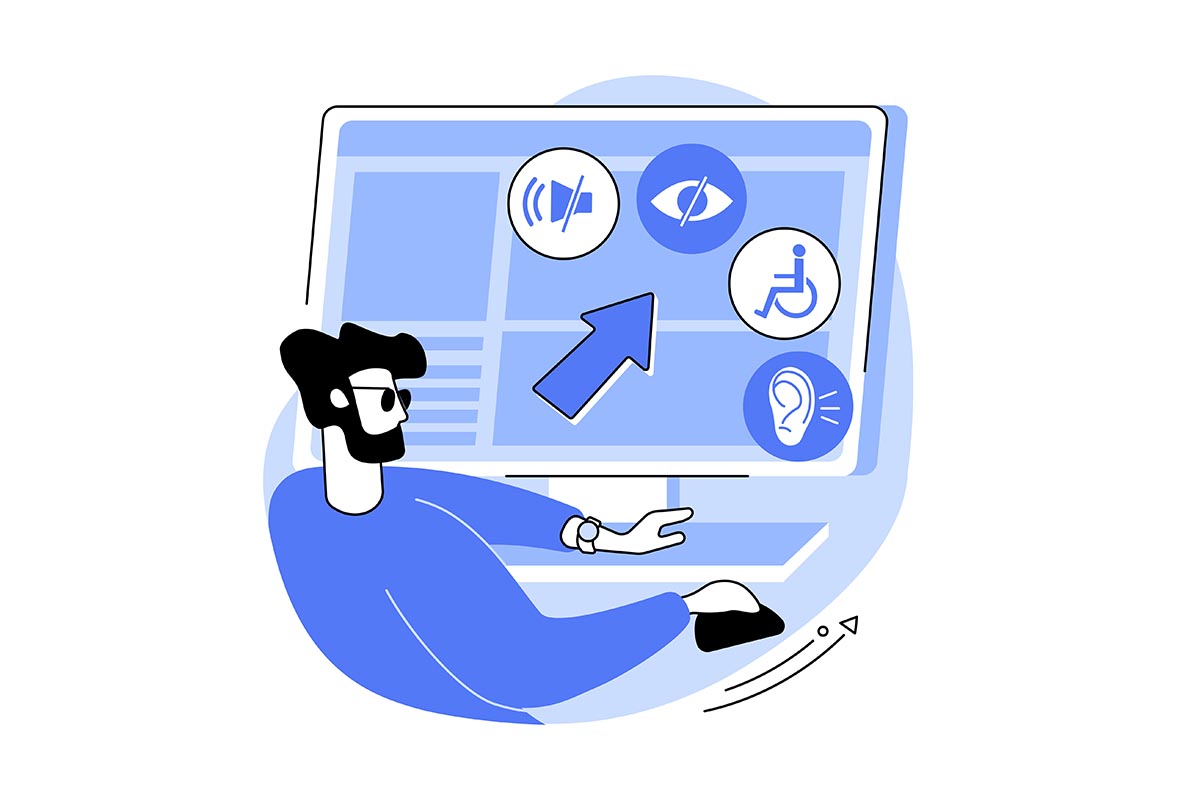
In today's digital landscape, where the internet plays a central role in daily life, website accessibility has emerged as a crucial factor for inclusivity. Ensuring that websites are accessible to everyone, including individuals with disabilities, not only enhances the overall user experience but also meets ethical and legal standards. This article explores the significance of the website accesibility guidlines, ADA Title III and WCAG 2.1, as foundational elements in the realm of web accessibility compliance.